Employee Value Proposition (EVP)
- Content Team
- April 1, 2024
Employee Value Proposition (EVP) Definition
What is Employee Value Proposition (EVP)?
Importance of Employee Value Proposition (EVP)
Elements of Employee Value Proposition (EVP)
Defining Employee Value Proposition (EVP)
Unlocking the Power of Positive EVP
The Pitfalls of a Negative EVP
Evaluating the Effectiveness of Your EVP
EVP vs. Employer Brand: Understanding the Difference
Learn more about an Employee Value proposition (EVP)
Applicant Tracking, Recruitment Marketing, Sourcing and Talent CRM software are powerful alone, but unstoppable when used together!
An Employee Value Proposition (EVP) is a set of offerings provided by an employer to its employees, which is valuable to both the employer and the employees. A strong example of an EVP is offering a collaborative and dynamic work environment, opportunities for professional development, a comprehensive benefits package, and creating a positive and inclusive culture where team members feel valued and supported.

Employee Value Proposition (EVP) Definition
Organizations generally develop an EVP to provide a consistent platform for employer branding and experience management. EVP is a magnet that attracts job candidates.
Minchington (2005) defines an Employee Value Proposition (EVP) as a set of associations and offerings provided by an organization in return for the skills, capabilities and experiences an employee brings to the organization.
The EVP is an employee-centered approach that is aligned to existing, integrated workforce planning strategies because it has been informed by existing employees and the external target audience. An EVP must be unique, relevant and compelling if it is to act as a key driver of talent attraction, engagement and retention.
➡️ Download our new free guide: Transform Your Hiring Process from Reactive to Proactive .
What is Employee Value Proposition (EVP)?
Here is a simple, one sentence explanation of Employee Value Proposition (EVP):

Importance of Employee Value Proposition (EVP)
Since attracting best talent is harder than ever, consistent and efficient communication of Employee Value Proposition (EVP) has become extremely important.
Many recruiters and other HR Professionals now have planned strategies for communicating their EVP and Employer Brand with current and potential future candidates.
Relatively new method for easier and more efficient delivery of these employer messages is called Inbound Recruiting, and the whole concept of using marketing methodologies to recruit and hire is called Recruitment Marketing.
Recruitment Marketing methodologies are usually done through Recruitment Marketing tools and software that make this whole process easier and more productive. With these tools, it is easier to communicate Employee Value Proposition with candidates through engaging career site, automated email campaigns, social recruiting and many other channels. This way, recruiters can encourage Candidate Engagement and improve overall Candidate Experience.
Picture above is a great example of how one of the world’s best known game makers Nanobit, who are also our customers, communicates their Employer Brand and Employee Vale Proposition (EVP).
“Only 14% of CEOs say they have the talent they need to execute their business strategies.”
– Forbes
Elements of Employee Value Proposition (EVP)
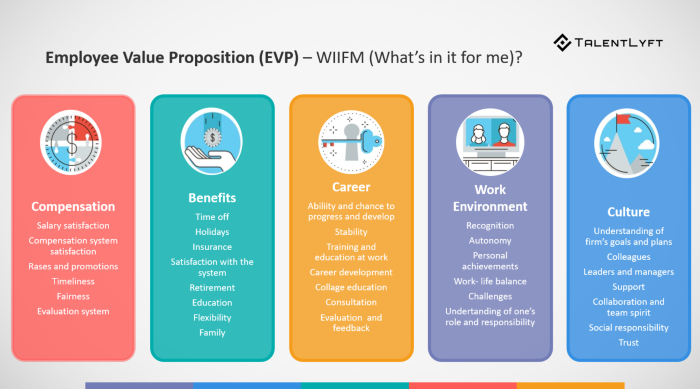
Employee value proposition (EVP) is so much more than just a paycheck.
Hee are the most important building blocks of a successful employee value proposition (EVP):
Defining Employee Value Proposition (EVP)
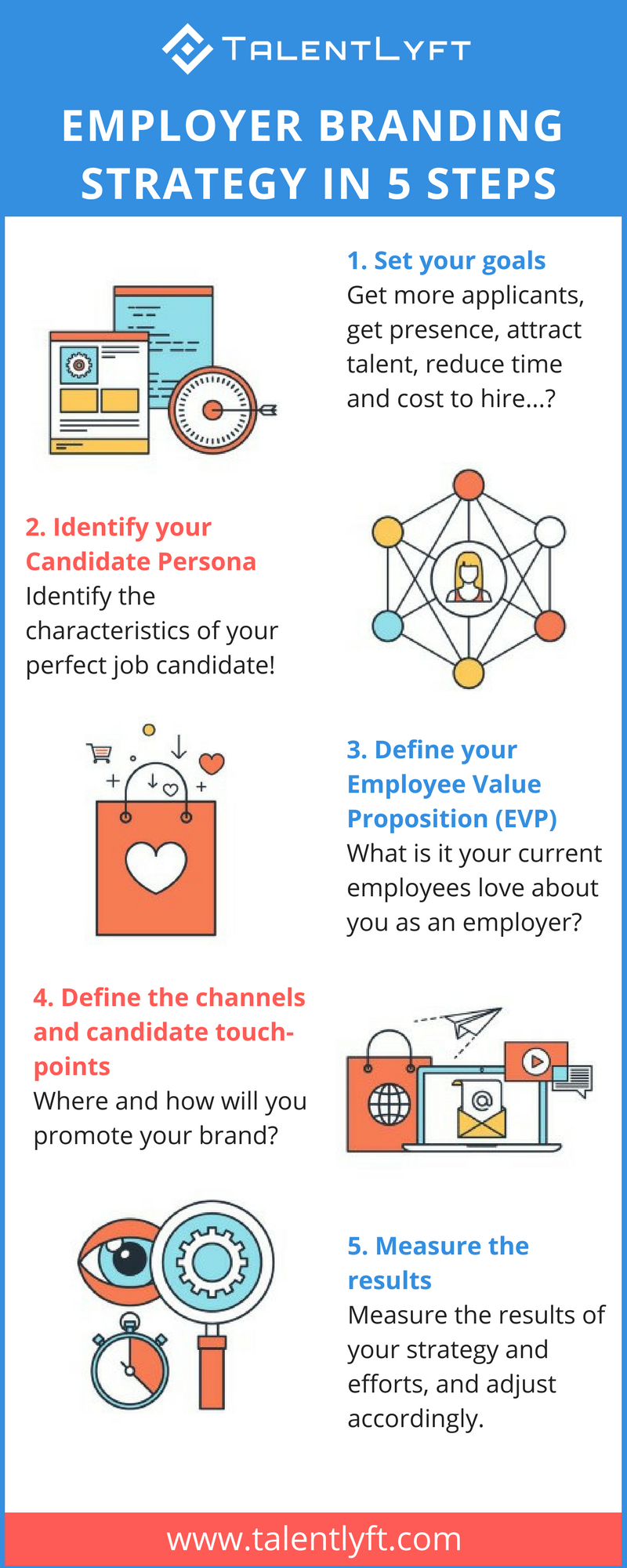
Defining a strong Employee Value Proposition (EVP) is the most important of 5 steps to implement a successful EmployerBranding strategy and it is definitively a magnet for attracting best candidates.
Unlocking the Power of Positive EVP
A well-crafted Employee Value Proposition (EVP) is the cornerstone of a company’s ability to attract and retain top talent. It encapsulates what an employee can expect in return for their skills, capabilities, and experience. A positive EVP extends beyond competitive salaries to include career development opportunities, a supportive work culture, and benefits that align with employees’ personal and professional goals. For instance, Google’s EVP highlights its vibrant culture, innovative environment, and commitment to employee well-being, offering perks like on-site wellness and healthcare services, flexible work hours, and comprehensive career development programs. These initiatives not only attract skilled professionals but also foster a motivated and loyal workforce.
➡️ Read: Employee Value Proposition – Magnet for Attracting Candidates.
The Pitfalls of a Negative EVP
Conversely, a negative EVP can significantly hinder a company’s ability to attract and retain talent. A lack of clear career progression, poor work-life balance, and inadequate recognition and rewards are typical characteristics of a weak EVP. This not only leads to high turnover rates but also damages the employer’s brand, making it difficult to recruit quality candidates in the future. For example, a company that fails to offer flexible working conditions or disregards employee feedback may find itself struggling to keep its workforce engaged and motivated.
Evaluating the Effectiveness of Your EVP
To gauge the effectiveness of your EVP, consider conducting employee surveys and exit interviews to gather feedback on what aspects of your EVP are most valued and which areas require improvement. Additionally, tracking recruitment and retention metrics can provide insights into how your EVP impacts talent acquisition and employee turnover. An effective EVP should result in a high level of employee engagement, a strong employer brand, and an increased ability to attract and retain top talent.

EVP vs. Employer Brand: Understanding the Difference
While the Employee Value Proposition (EVP) and employer brand are closely linked, they serve distinct purposes. The EVP focuses on the unique benefits and opportunities a company offers to its employees, essentially what the employee receives in exchange for their contributions. In contrast, the employer brand is the external image and reputation of a company as a place to work, shaped by employee experiences, company policies, and the market’s perception. The EVP is a component of the employer brand, playing a crucial role in defining the latter. A compelling EVP strengthens the employer brand by ensuring a consistent and positive experience for both current and potential employees.
Learn more about an Employee Value proposition (EVP)
Check out our in-depthguide to the Employee Value Proposition (EVP): Employee Value Proposition (EVP): Magnet for Attracting Candidates!
Applicant Tracking, Recruitment Marketing, Sourcing and Talent CRM software are powerful alone, but unstoppable when used together!